How Does Botox Work

A note on what we carry: Form & Function offers our wrinkle relaxer options, two FDA-approved neurotoxins. The information below explains how neurotoxins work as a category; your injector will recommend the formulation best suited to your anatomy and goals during your consultation.
Understanding how Botox and other neurotoxins work is one of the most common starting points for patients exploring aesthetic medicine for the first time. Botox is a neuromodulator derived from botulinum toxin type A, and when administered by an experienced provider, it temporarily relaxes targeted facial muscles to soften the appearance of dynamic wrinkles. Whether you are curious about the science, the timeline, or how this treatment fits into a broader wellness plan, this guide is designed to give you clear, honest answers before you ever walk through a consultation door. To speak with a member of our team at Form & Function, call (914) 228-7453.
The Science Behind How Botox Works in the Body
To understand how Botox works, it helps to start at the neuromuscular junction, which is the point where a nerve communicates with a muscle. Under normal conditions, nerve endings release a chemical messenger called acetylcholine. This messenger binds to receptors on the muscle and triggers a contraction. Repeated contractions over years of squinting, frowning, and smiling gradually etch lines into the skin above those muscles.
Botulinum toxin type A works by blocking the release of acetylcholine at this junction. Without that signal, the targeted muscle cannot contract with its usual force. The overlying skin then has an opportunity to smooth out, reducing the visible depth of lines and creases. The toxin does not destroy the muscle or the nerve permanently; it temporarily occupies the release mechanism until the body forms new acetylcholine pathways, which typically takes three to six months.
Which Muscles Are Typically Targeted
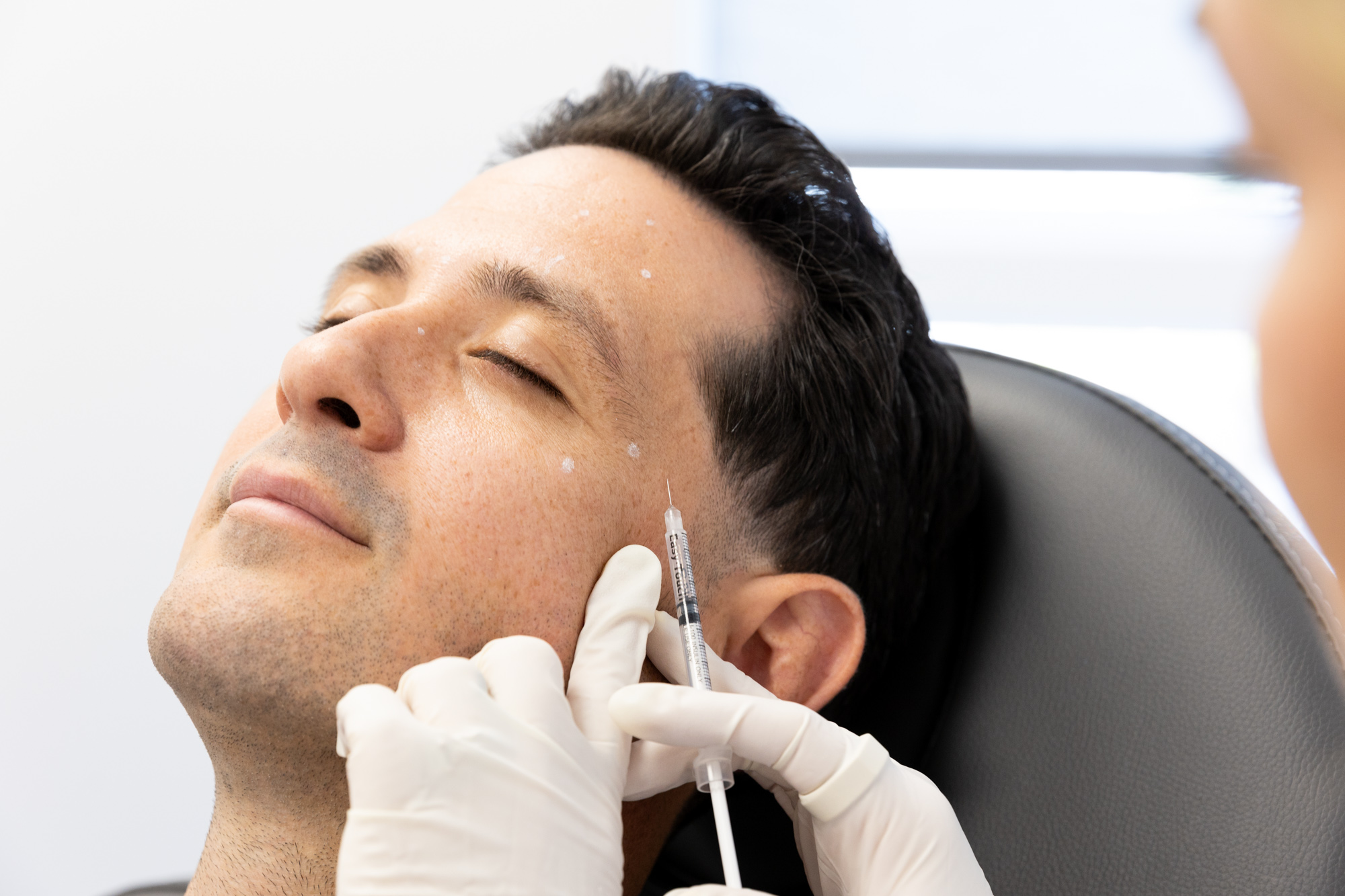
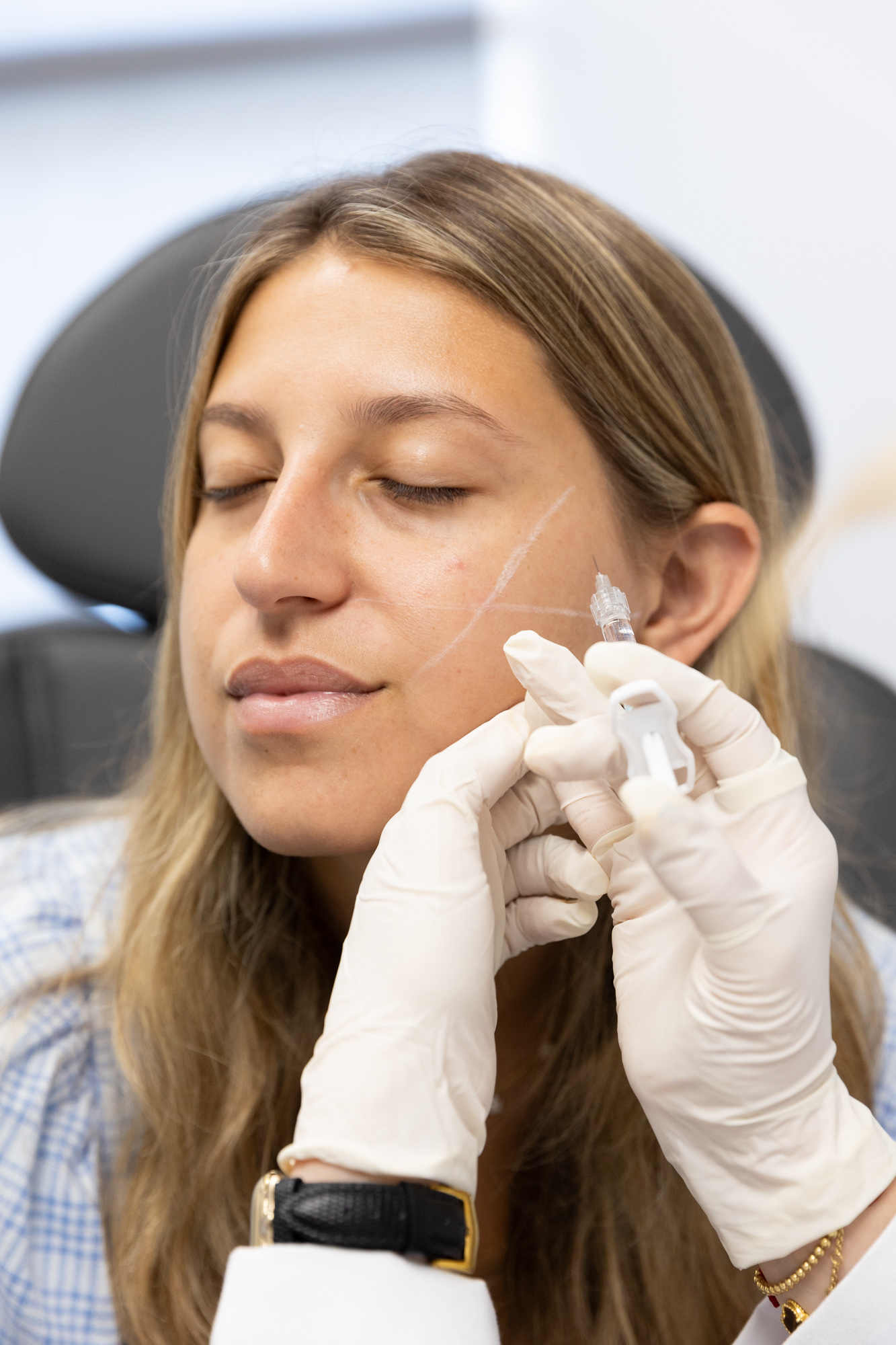
Common treatment areas include the muscles responsible for glabellar lines (the vertical creases between the brows), forehead horizontal lines, and the lateral orbital area commonly called crow's feet. Botox is FDA-approved for moderate to severe glabellar lines in adults. A skilled injector evaluates muscle mass, facial movement patterns, and skin quality before selecting injection sites, a process that is central to the whole-person assessment model at Form & Function. Patients researching complementary skin-texture improvements may also find our overview of RF microneedling in Katonah, NY a useful companion resource.
What to Expect: Timeline, Results, and How Long Botox Works
One of the most searched aspects of how Botox works is the timeline, and it is worth addressing this honestly. Botox does not produce immediate visible changes the moment it is injected. Most patients begin to notice the muscles relaxing within three to five days, with more complete softening of lines typically visible at the two-week mark. Your provider may schedule a brief follow-up appointment around that time to assess the result and make any minor adjustments.
For the bigger picture on this treatment family, see what neurotoxins are and how they smooth wrinkles.
How Long Results Last
For most patients, the effects of Botox last approximately three to four months in areas of high muscle activity, such as the forehead and crow's feet. Areas with less repetitive movement may maintain results somewhat longer. Consistent treatment over time may allow some patients to extend intervals gradually, because the muscles are used less frequently and the associated habits change.
Individual Variation Matters
Individual results may vary based on muscle mass, metabolism, the number of units used, and the precise placement chosen by your provider. At Form & Function, consultations include a thorough conversation about your aesthetic goals and your health history, which informs how a treatment plan is built from the start. Patients interested in exploring a broader range of skin-renewal options alongside injectables can learn more on our aesthetic services page.
How Botox Works Within a Whole-Person Aesthetic Plan
At Form & Function, the question of how Botox works is never answered in isolation. Our practice was founded on the belief that lasting aesthetic results are most meaningful when they reflect overall health and vitality, not just surface correction. A patient managing chronic stress, hormonal imbalance, or poor sleep may find that their skin responds differently to any injectable treatment than a patient whose internal health is well-supported.
This is why our approach integrates aesthetic consultations with conversations about metabolic health, IV therapy for nutrient optimization, and body composition. Botox can be an effective tool for addressing dynamic lines, but it works best when the skin beneath it is well-nourished and the body supporting it is functioning well.
Botox for Men and Women
Botox is appropriate for both men and women, though dosing and placement differ because male facial muscles tend to be larger and require more units to achieve comparable relaxation. Form & Function offers dedicated men's services in Katonah, NY, recognizing that men have distinct aesthetic goals and often prefer a more subtle, natural-looking result. For patients considering how Botox might fit alongside other non-surgical options, our guide to non-surgical facelift approaches in Katonah, NY provides additional context.
Why Choose Form & Function in Katonah, NY
Form & Function was founded by Dr. Linda Harkavy, a physician with over 40 years of medical experience that began with a private radiology and MRI practice. Over decades of parallel study in functional medicine, wellness, and aesthetics, Dr. Harkavy developed a clear vision: a practice that treats the whole person rather than isolated symptoms or surface concerns. Form & Function represents the realization of that vision.
As a women-owned practice, Form & Function brings a perspective rooted in listening, thoroughness, and long-term relationship with each patient. Serving the Katonah, NY community and surrounding areas, our team approaches every injectable consultation the way we approach every service: with attention to your health history, your goals, and the context in which you are seeking care. We invite you to learn more about our story and the values that shape everything we do.
Frequently Asked Questions About How Botox Works
Is Botox safe, and what are the most common side effects?
Botox has a well-established safety record when administered by a qualified provider. The most commonly reported side effects include temporary redness, mild swelling, or bruising at injection sites. Some patients experience a brief headache after forehead treatment. More significant side effects are rare and are typically related to improper technique. A thorough consultation helps identify any contraindications before treatment begins. Ask your provider about your specific health history during your appointment.
How many units of Botox will I need?
The number of units varies by area treated, muscle mass, and the degree of movement present. Forehead lines may require anywhere from 10 to 30 units, while crow's feet typically require fewer. Glabellar lines often fall in the 20-unit range for most adults. Your provider at Form & Function will evaluate your facial anatomy during a consultation and recommend a unit count tailored to your goals rather than applying a one-size approach.
Can Botox be combined with other aesthetic treatments?
Many patients combine Botox with skin-resurfacing or collagen-stimulating treatments for more comprehensive results. For example, addressing muscle movement with Botox while also improving skin texture through laser resurfacing in Katonah, NY can complement each other effectively. Your provider will help sequence treatments appropriately to allow each to work at its best and avoid unnecessary overlap in recovery periods.
How do I know if I am a good candidate for Botox?
Most healthy adults who have visible dynamic wrinkles, meaning lines that appear or deepen with facial expression, may be good candidates for Botox. Patients who are pregnant or breastfeeding are generally advised to postpone treatment. Those with certain neuromuscular conditions may not be appropriate candidates. A detailed intake consultation is the most reliable way to determine candidacy, as your provider will review your full medical history and aesthetic goals before recommending any treatment.
Does Botox require any downtime after treatment?
Most patients return to their regular activities on the same day as their Botox appointment. Providers typically advise avoiding vigorous exercise, lying flat, and rubbing the treated area for several hours post-injection. There are no significant activity restrictions for most patients beyond these brief precautions. If you have an important event, scheduling your appointment at least two weeks in advance allows time for full results to develop. Discuss your schedule during your consultation at Form & Function.
If you are ready to learn more about how Botox works and whether it belongs in your aesthetic wellness plan, Form & Function in the Katonah, NY area is here to help you find answers. Call (914) 228-7453 to schedule a consultation with our physician-led team, or contact us online at your convenience.